



How AI Has Affected the Traditional UI Tool Stack for Website Design?
The Disruption of Manual Design Processes
Artificial Intelligence (AI) has profoundly altered the traditional UI (User Interface) tool stack used in website design. Previously, UI design heavily relied on manual tools like Adobe XD, Sketch, Figma, and InVision, where designers created everything from scratch—layouts, wireframes, and design systems. While these tools are still relevant, AI has shifted how and when they're used. With AI-powered design assistants and generative design platforms, much of the manual work—like spacing, alignment, and even style suggestions—can now be automated, reducing design time and enhancing consistency across custom website design projects.

AI has minimized this barrier. Newer AI-integrated platforms enable designers to prototype interfaces dynamically, often with real-time code previews or responsive breakpoints.


AI and Personalized User Interfaces
AI has introduced data-driven personalization at the design level. Instead of creating one-size-fits-all templates, designers can now build UI systems that adapt based on user behavior, preferences, or location. This evolution is crucial for businesses offering custom website design solutions tailored for specific user demographics. The traditional UI stack wasn’t built for such fluidity—AI fills this gap by feeding design variations directly into A/B testing or multivariate environments, increasing conversion and engagement.
Enhanced Collaboration and Efficiency


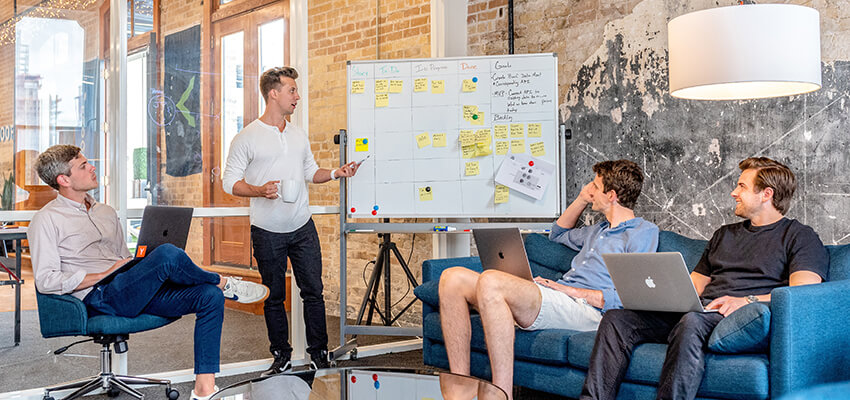
AI features such as real-time design feedback, smart layout adjustments, and automated asset creation have streamlined collaboration. Designers, marketers, and developers can now work in AI-enhanced environments that reduce bottlenecks.
Improved Turnaround Times
For those offering affordable website design service help, this improves turnaround times and lowers costs, enabling access to cheap website design service without sacrificing design integrity or customization. AI has reshaped the UI tool stack from static, manual workflows into dynamic, intelligent systems that adapt, learn, and co-create with designers.
Early prototype Working
This bridges the gap between design and development, making it easier to buy website design service online where clients expect working prototypes early in the process—an expectation once limited to premium services.
Conclusion
While traditional tools remain foundational, their roles have shifted—they are now augmented with AI to improve scalability, personalization, and performance.
Modern User Expectations
This evolution benefits both large enterprises and startups alike, whether they’re looking to buy website design service or seeking a custom website design solution that aligns with modern user expectations.